



How to becoming a Web Developer
Last updated Friday, 02/08/2024 01:26 by Karolien Kern
Dive into the world of web development! Learn what a web developer does, the skills required, and the various career paths available in this in-demand field.
Table Of Content:
What is a Web Developer?
A web developer is a skilled professional who specializes in designing, building, and maintaining websites using a variety of programming languages, frameworks, and tools. They are responsible for the technical aspects of a website, ensuring it is functional, user-friendly, and visually appealing.
Types of Web Developers
Web development is a broad field, and developers often specialize in one or more areas:
- Front-End Developers: Focus on the user interface (UI) and user experience (UX), using HTML, CSS, and JavaScript to create interactive and visually engaging websites.
- Back-End Developers: Work behind the scenes, handling server-side logic, databases, and user authentication using languages like Python, Java, or PHP.
- Full-Stack Developers: Possess expertise in both front-end and back-end development, enabling them to build and maintain all aspects of a website.
Essential Skills for Web Developers
To succeed as a web developer, you need a strong foundation in:
- Programming Languages: HTML, CSS, JavaScript, Python, Java, PHP, etc.
- Web Frameworks: React, Angular, Vue.js, Node.js, Django, Ruby on Rails, etc.
- Version Control Systems: Git, GitHub, Bitbucket
- Database Management: SQL, MySQL, MongoDB
- Problem-Solving and Debugging Skills
- Communication and Collaboration Skills
Career Paths in Web Development
With the ever-growing demand for websites and web applications, web development offers diverse career paths:
- Front-End Developer
- Back-End Developer
- Full-Stack Developer
- Web Designer
- UX/UI Designer
- WordPress Developer
- Freelance Web Developer
Published: 02 August 2024 01:26
RELATED ARTICLES
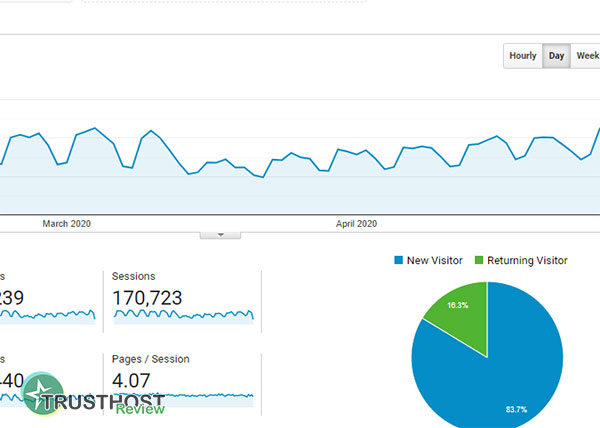
Website Analytics: A Deep Dive into User Behavior
Explore the world of website analytics! Learn how data on website traffic and user behavior can be collected and utilized to improve your online presence and reach your target audience.

Understanding URLs: Your Guide to Navigating the Web
Learn what a URL is, how it works, and why it's essential for accessing websites and online resources.

WP Engine Review 2025: The Gold Standard of Managed WordPress Hosting?
A slow, unreliable website doesn't just frustrate visitors—it actively costs you customers, damages your brand reputation, and tanks your SEO rankings. What if your hosting wasn't just a necessary expense, but a strategic investment in performance, security, and growth?

Content Update: The Key to Keeping Your Website Fresh, Relevant, and Engaging
Learn about content updates and how regularly refreshing your website's content can boost SEO rankings, engage visitors, and improve the overall user experience.

The Future of Web Hosting in 2026 and Beyond
The digital foundation of your business is shifting faster than a server migration, and the hosting solution that works today might be a critical bottleneck tomorrow. The age of simply choosing a plan based on disk space and bandwidth is over; the future is intelligent, decentralized, and green.

The Ultimate Glossary of Web Hosting Terms
All that talk of Apache, cPanel, and VPS can be overwhelming, leaving you unsure if you've chosen the best hosting for your small business. Don't let technical jargon stand between you and a high-performing website.

Best Hosting for a Scalable Startup
Your startup just went viral, the traffic is pouring in... and your website just crashed. This nightmare scenario is the direct result of choosing the wrong hosting foundation. Don't let your biggest success become your biggest failure because your infrastructure couldn't keep up.
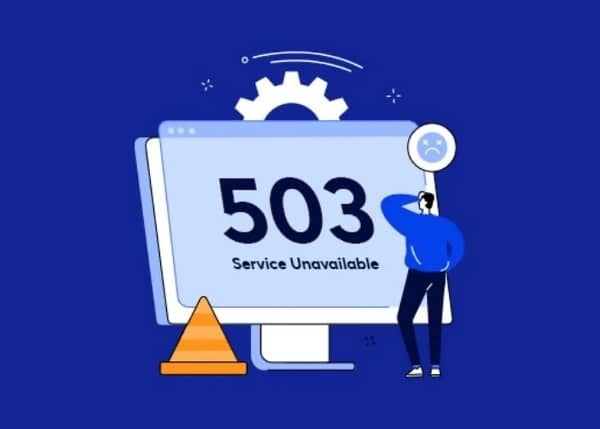
What to Do When Your Hosting Provider Has an Outage
Error 503 Service Unavailable. The words every website owner dreads. Is it a hack? A broken plugin? Or worse, is your hosting provider completely down? That sinking feeling in your stomach is real, but panic is not a strategy. Having a clear, step-by-step plan is the only way to minimize damage and get back online fast.

Top 10 Best Web Hosting Providers for the US Market
Building your own website? Or looking for a new web hosting provider to upgrade your existing website's performance?Look no further! This article will introduce you to the Top 10 best web hosting providers for the US market in 2024, helping you make the most suitable choice for your needs.