



Elementor vs. Divi: Which Page Builder is Faster and Which Host is Best for Them?
Elementor and Divi are the undisputed titans of the WordPress page builder world, powering millions of websites. They offer incredible design freedom, allowing anyone to create stunning, professional websites without touching a line of code. However, this power comes at a cost: performance. Both builders add extra code and assets to your pages, which can significantly impact your site speed—a critical factor for SEO rankings, user experience, and conversion rates.
The question on every savvy website owner's mind is: which one is faster? More importantly, how can you build the fastest possible website regardless of which builder you choose? This article dives deep, testing Elementor and Divi across different hosting environments to reveal the truth about their performance and to recommend the absolute best hosting setups to maximize your site's speed.
A Quick Introduction
Before we get to the data, let's briefly meet our contenders.
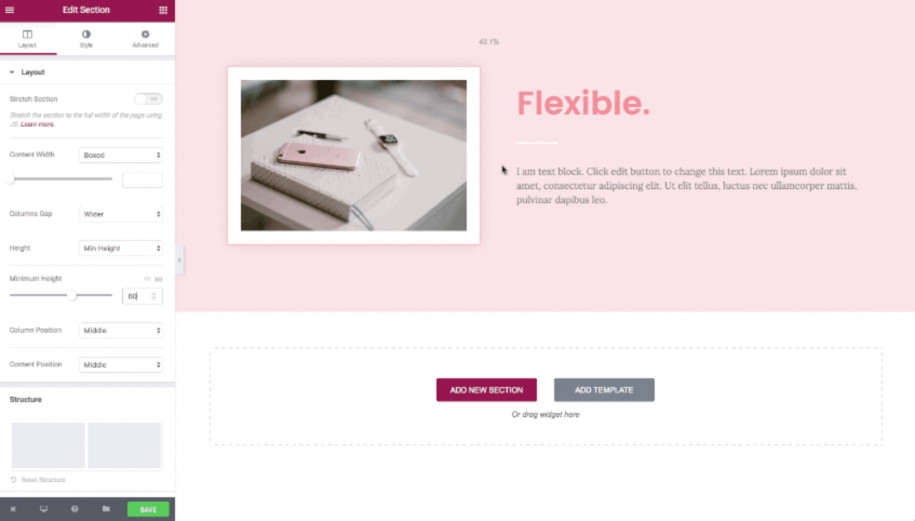
- Elementor: Known for its incredibly intuitive live front-end editor and massive ecosystem of third-party addons. It operates as a plugin and is often paired with a lightweight theme like Hello Elementor for maximum performance.
- Divi: An all-in-one theme and builder from Elegant Themes. Divi is famous for its comprehensive design options, A/B testing capabilities, and the vast library of premade layouts included in its membership.

Elementor


Elegant Themes (Divi)
The Test Methodology:
To get reliable results, we needed a controlled and fair testing environment. Here’s how we set it up:
- Website Setup: We created two identical WordPress installations. One used the Hello Elementor theme with Elementor Pro, and the other used the Divi theme. We imported a comparable 'Business Agency' homepage template for each to ensure they had similar elements (hero section, services, testimonials, contact form).
- Hosting Environments: We cloned these two sites onto three distinct types of hosting to measure the impact of the server infrastructure:
- Shared Hosting: A popular, budget-friendly plan typical for new websites and small businesses.
- Managed WordPress Hosting: A premium, performance-focused environment with server-level caching and optimizations (e.g., Kinsta, WP Engine).
- Cloud VPS Hosting: A scalable and powerful solution for developers and high-traffic sites (e.g., Cloudways).
- Metrics Measured: We used GTmetrix (Vancouver, Canada server) to analyze performance, focusing on these key metrics:
- Fully Loaded Time: The time it takes for the entire page to load.
- Largest Contentful Paint (LCP): A Core Web Vital measuring when the largest visual element becomes visible.
- Total Page Size: The total weight of the page in MB.
- HTTP Requests: The number of individual files the browser has to fetch.
Note: No caching plugins or CDNs were used during the initial tests to measure the raw, out-of-the-box performance of each combination.
The Results: How Hosting Changes Everything
The results were clear and dramatic. While there were minor differences between the builders, the choice of hosting had a far greater impact on site speed.
On a standard shared hosting plan, both builders felt the strain of limited resources. This environment highlights the inherent weight of each builder.
| Metric | Elementor Pro | Divi |
|---|---|---|
| Fully Loaded Time | 3.8s | 4.5s |
| LCP | 2.9s | 3.4s |
| Total Page Size | 2.1MB | 2.6MB |
| HTTP Requests | 85 | 98 |
Analysis: Elementor, paired with a lightweight theme, was slightly lighter and faster. Divi's all-in-one nature resulted in a larger page size and more requests. Both produced load times that are considered slow by modern standards, demonstrating the limitations of cheap shared hosting for feature-rich builders.
Test 2: Managed WordPress Hosting - The Performance Game-Changer
Moving to a premium managed host transformed the results. Server-level caching, better hardware, and a fine-tuned software stack made a massive difference.
| Metric | Elementor Pro | Divi |
|---|---|---|
| Fully Loaded Time | 1.1s | 1.3s |
| LCP | 0.9s | 1.1s |
| Total Page Size | 2.1MB | 2.6MB |
| HTTP Requests | 42 | 51 |
Analysis: A dramatic improvement across the board! Load times for both builders dropped into the excellent range. The managed host's optimizations (like combining files) significantly reduced HTTP requests. While Elementor maintained a slight edge, both builders became incredibly fast, proving that a quality hosting environment is essential for a fast website.
Test 3: Cloud VPS - The Power User's Choice
A well-configured Cloud VPS offered similar, if not slightly better, performance to Managed Hosting, with the added benefit of dedicated resources and scalability.
| Metric | Elementor Pro | Divi |
|---|---|---|
| Fully Loaded Time | 1.0s | 1.2s |
| LCP | 0.8s | 1.0s |
| Total Page Size | 2.1MB | 2.6MB |
| HTTP Requests | 40 | 49 |
Analysis: The Cloud VPS delivered top-tier performance. This environment is ideal for high-traffic sites or those with complex functionality, as the dedicated resources prevent slowdowns caused by other users.
The Verdict: Which Host is Best for Your Builder?
Our tests show that you can build a fast website with either Elementor or Divi, but only if you choose the right hosting foundation. Here are our recommendations based on your needs:
For the Best Overall Performance: Managed WordPress Hosting
Winner for both Elementor and Divi.
Providers like Kinsta, WP Engine, and Flywheel are the undisputed champions for hosting sites built with powerful page builders. Their server architecture is specifically designed for WordPress, with built-in caching, CDNs, and security that work seamlessly. This is the 'set it and forget it' solution for fast website hosting. You pay a premium, but you get performance and peace of mind that cheap hosting can't match.
If you must use shared hosting, be selective.
While we don't recommend basic shared hosting for performance-critical sites, some providers are better than others. Look for hosts like SiteGround or A2 Hosting (Turbo plans) that offer more resources and built-in speed technologies (like LiteSpeed servers). If you go this route, using Elementor with a light theme gives you a slight performance advantage. A premium caching plugin like WP Rocket becomes absolutely essential to achieve acceptable speeds. This is the most affordable hosting path, but it requires more hands-on optimization.
For Developers and High-Traffic Sites: Cloud Hosting
The ultimate in power and scalability.
Platforms like Cloudways (which simplifies DigitalOcean, Vultr, etc.) offer the best of both worlds: the power of a VPS with a user-friendly management panel. This is the best hosting for small business sites that are growing rapidly or for developers who want full control over their server environment. You can fine-tune your stack for either Elementor or Divi to squeeze out every last drop of performance.
Conclusion: Stop Blaming the Builder, Start Investing in Your Host
So, is Elementor faster than Divi? Yes, by a small margin in its raw state. However, the far more important takeaway from our tests is this: a great host will make a good builder fast, but a bad host will make any builder slow.
Instead of getting bogged down in the minor differences between builders, focus your energy and budget on the single most impactful factor for your site's speed: your hosting provider. Upgrading from basic shared hosting to a quality Managed WordPress or Cloud host will deliver a more significant performance boost than any other change you can make.
Ready to give your Elementor or Divi site the speed it deserves? Stop letting a slow host sabotage your success. Invest in a performance-focused hosting plan and watch your website fly.
RELATED ARTICLES

Data Encryption: Safeguarding Your Sensitive Information

The Importance of Server Monitoring

Understanding Merge in Version Control: Combining Code Changes Effectively

The Top 5 WordPress Caching Plugins to Supercharge Your Site

The Future of Web Hosting in 2026 and Beyond

The Ultimate Glossary of Web Hosting Terms

Best Hosting for a Scalable Startup

What to Do When Your Hosting Provider Has an Outage