Free vs. Paid SSL Certificates: Is a Premium SSL Worth It?
Free vs. Paid SSL Certificates
An SSL certificate isn't just a nice-to-have; it's a non-negotiable component of your online business infrastructure. It’s essential for security, Google rankings, and fundamental user confidence. With free options like Let's Encrypt readily available from most hosting providers, many website owners logically ask: is there any reason to ever pay for a premium SSL certificate? This guide will break down the critical differences in validation, warranty, and trust signals to help you make the right choice for your website.
What Exactly is an SSL Certificate and Why is it Essential?
SSL (Secure Sockets Layer), and its modern successor TLS (Transport Layer Security), is the standard technology for keeping an internet connection secure and safeguarding any sensitive data being sent between two systems. For a website owner, this means it encrypts the connection between your web server and a visitor's browser.

When installed correctly, it does three key things:
- Encryption: It scrambles data like login credentials, credit card numbers, and personal information into an unreadable format, preventing hackers from intercepting it.
- Authentication: It verifies that a visitor is connected to the correct server, not an imposter.
- Data Integrity: It ensures that the data sent has not been tampered with in transit.
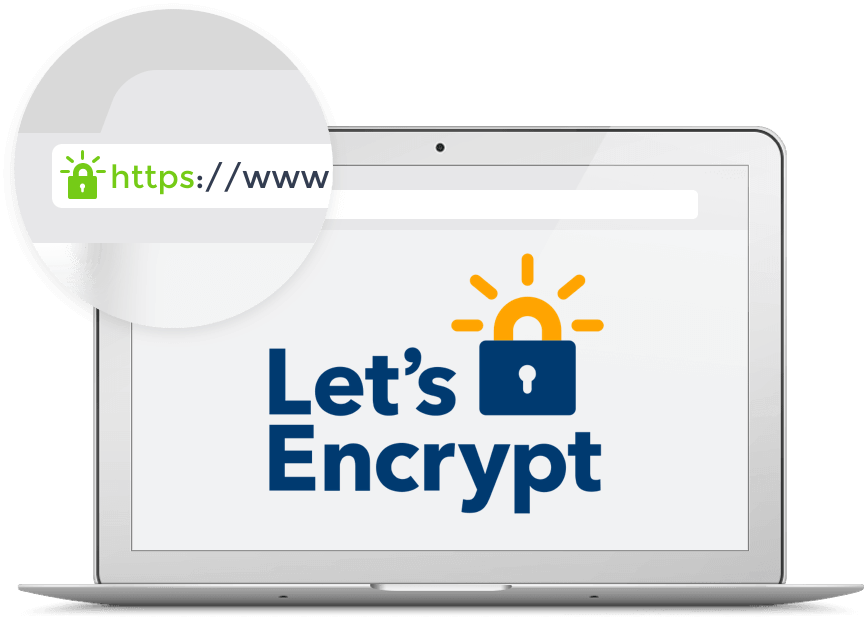
You know it's working when you see the padlock icon and https:// in the browser's address bar. Google has used HTTPS as a ranking signal since 2014, and modern browsers like Chrome and Firefox actively flag sites without it as “Not Secure.” In short, not having an SSL certificate is no longer an option.
The Game Changer: Free SSL with Let's Encrypt
For years, SSL certificates were a costly annual expense. That all changed with the arrival of Let's Encrypt, a free, automated, and open Certificate Authority (CA) run for the public's benefit. Its mission is to create a more secure and privacy-respecting Web by promoting the widespread adoption of HTTPS.

Today, the best hosting for small business and enterprise alike, from affordable hosting providers like Bluehost to premium managed hosts like Kinsta and WP Engine, offer free Let's Encrypt certificates that can be installed with a single click.
Pros of a Free Let's Encrypt SSL:
- It's 100% free. There are no hidden costs.
- It's automated. Most hosts automatically install and renew it for you.
- It's secure. It provides the same level of 256-bit encryption as most paid certificates.
For the vast majority of websites—blogs, portfolios, informational business sites, and lead generation sites—a free Let's Encrypt certificate is perfectly sufficient. It gets you the padlock, encrypts traffic, and avoids browser security warnings.
The Core Difference: Understanding SSL Validation Levels
So, if encryption is the same, what are you actually paying for? The primary difference between free and paid SSL certificates lies in the validation process. This is how the Certificate Authority verifies that you are who you say you are. There are three main levels.
1. Domain Validated (DV) SSL
This is the most basic level of validation and it's what Let's Encrypt provides. The CA simply verifies that the person applying for the certificate has administrative control over the domain. This is usually done automatically by checking DNS records or sending a verification email. It's fast, easy, and requires no human interaction.
- Who it's for: Blogs, personal websites, and any site that doesn't handle sensitive transactions or collect high-stakes personal data.
- What it proves: The connection to your domain is encrypted.
- What it doesn't prove: The identity of the business or person behind the website.
2. Organization Validated (OV) SSL
This is the first step into premium territory. To get an OV certificate, the CA conducts a manual vetting process. They don't just verify domain ownership; they also verify the legal identity of the organization. This involves checking official business registration documents to confirm your company is a legitimate legal entity.
When a user clicks the padlock on a site with an OV certificate, the certificate details will display the verified company name and location. This provides a significant trust boost.
- Who it's for: E-commerce stores, SaaS businesses, and any company that collects user data like names, addresses, and passwords. It shows you are a real, registered business.
- What it proves: The connection is encrypted AND the website is operated by a verified, existing business.
3. Extended Validation (EV) SSL
EV is the highest level of SSL security and trust. The vetting process is extremely strict and follows a standardized set of identity verification criteria defined by the CA/Browser Forum. It includes verifying the legal, physical, and operational existence of the entity, among other checks.
While modern browsers have phased out the prominent “green address bar” that used to display the company name, the verified legal name is still clearly visible in the certificate details. For users who know where to look, it's the ultimate sign of trust and security.
- Who it's for: Banks, financial institutions, major e-commerce platforms, and enterprise-level businesses that handle sensitive financial or medical information.
- What it proves: The connection is encrypted AND the website is operated by a legally registered business that has passed the highest standard of identity verification.
Beyond Validation: Other Benefits of Paid SSL Certificates
Validation is the main event, but premium certificates come with other perks that are critical for certain businesses.
- Warranty: This is a huge differentiator. Paid SSL certificates come with a warranty that protects the end-user (your customer) from financial loss if they lose money due to a mistake made by the CA during the issuance of the certificate. Warranties can range from $10,000 for a basic OV certificate to over $1.75 million for an EV certificate. Free SSLs offer no warranty. For an e-commerce site, this warranty is a form of insurance that adds another layer of credibility.
- Dedicated Customer Support: With a free SSL, you rely on community forums or your hosting provider's general support. When you purchase a certificate from a provider like DigiCert or Sectigo, you get access to their expert support team who can help with complex installations, server configurations, and troubleshooting.
- Trust Seals: Paid certificates often come with a dynamic site seal—a small graphic you can place in your website's footer or on checkout pages. When clicked, it shows real-time verification of your business identity, acting as a constant visual reminder of your site's security and legitimacy.
- Advanced Features: While Let's Encrypt now offers wildcard certificates (to secure all subdomains of a domain, like *.yourdomain.com), paid providers often have more robust and flexible Multi-Domain (SAN) and Wildcard options that are easier to manage in a large corporate environment.
Case Study: Who Needs What?
Let's put this into practice. Which certificate is right for these common scenarios?
- The Freelance Photographer's Portfolio: This site showcases work and has a simple contact form. It doesn't process payments or store user accounts. Verdict: A free Let's Encrypt (DV) SSL is perfect. It provides the necessary encryption for the contact form and the SEO benefits of HTTPS at no cost.
- A Growing WooCommerce Store: This small business sells products directly from its WordPress site. It uses fast website hosting to ensure good site speed and a smooth checkout experience. It collects names, addresses, and processes payments via Stripe or PayPal. Verdict: An Organization Validated (OV) SSL is highly recommended. While a DV certificate would work, the OV certificate proves the store is run by a legitimate, registered company. This added trust can directly impact conversion rates and reduce cart abandonment.
- A Regional Credit Union's Online Banking Portal: This site handles sensitive financial transactions, account information, and personal identification numbers. Trust is paramount. Verdict: An Extended Validation (EV) SSL is essential. The highest level of verification is required to assure customers that they are on the legitimate banking site and not a sophisticated phishing scam. The substantial warranty is also a critical factor for the institution.
For at least 90% of websites on the internet, a free Let's Encrypt DV certificate is all you will ever need. It secures your site, satisfies browser and search engine requirements, and costs nothing.
The decision to upgrade to a paid OV or EV certificate is not about getting “better” encryption. It's a business decision that hinges on two questions:
- What level of trust do you need to establish with your visitors?
- How sensitive is the data you are handling?
If you are an e-commerce business, a SaaS provider, or any organization where proving your corporate identity is key to building customer confidence, then a paid OV or EV certificate is a worthwhile investment in your brand's credibility. The cost is minimal compared to the potential increase in customer trust and conversions.
Before you buy, check with your hosting provider. The best hosts make it easy to install both free and third-party paid certificates, giving you the flexibility to scale your security as your business grows.
RELATED ARTICLES

Cloud Security How to protecting Your Data and Applications in the Cloud
What is Webmail: Your Email Inbox in the Cloud

Website Themes: A Beginner's Guide

Understanding Error Logs: Website's Troubleshooting Guide
The Future of Web Hosting in 2026 and Beyond
The Ultimate Glossary of Web Hosting Terms
Best Hosting for a Scalable Startup
What to Do When Your Hosting Provider Has an Outage